 WhatsApp Dave

Make room for a continuing conversation
Living with a long-term condition often means returning to the same questions as life changes: What is my current plan? What should I monitor? Who can help when something feels different? These questions belong with a qualified healthcare professional. A wellness website can help you organise your thoughts, but it cannot assess symptoms, diagnose a condition or replace a clinical review.
Singapore’s Ministry of Health describes the family doctor as a primary healthcare partner under Healthier SG. A personalised health plan may include lifestyle changes, screening and vaccination. This continuing relationship provides a useful place to discuss everyday concerns as well as medical follow-up. Ask your own clinic how its services apply to you.
Prepare a short appointment note
Before the appointment, choose the two or three points that matter most. You might want help understanding a medicine label, fitting a recommended routine around shift work or knowing when your next review is due. Put the questions at the top of your note so that you do not lose them among a long history of details.
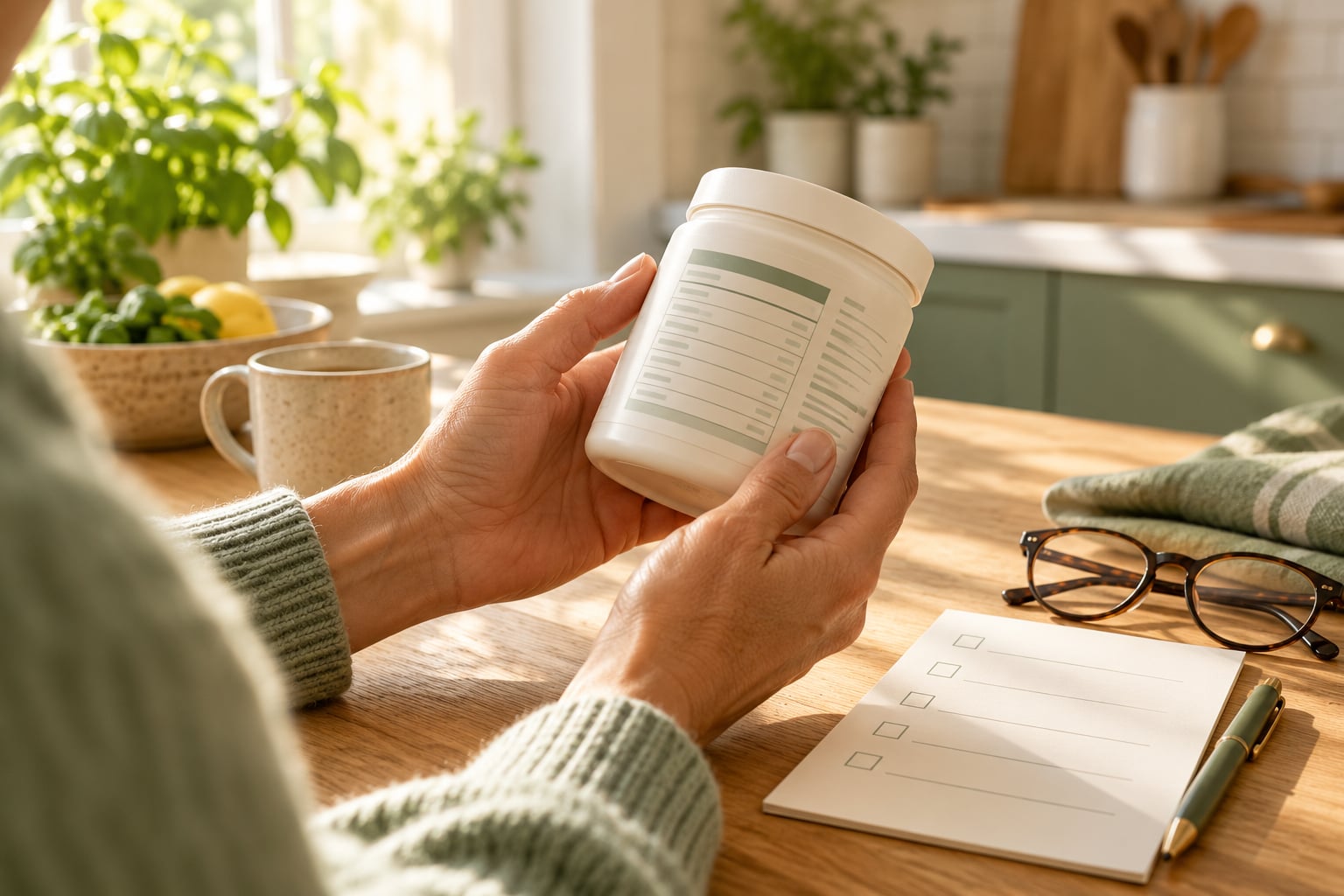
Bring a current medicine list, including non-prescription products and supplements. HealthHub notes that taking different medicines can create a risk of unwanted interactions. Tell each professional about the whole list, particularly if you see more than one doctor. If instructions are unclear, ask for an explanation in words you understand.
- What is the purpose of each part of my plan?
- Which changes should prompt a call to the clinic?
- When should I return for review?
- Who can help if cost, language or daily scheduling is a barrier?
Make the plan workable in daily life
An everyday routine is easier to discuss when it is specific. Instead of saying that a plan is difficult, describe the obstacle: a medicine time clashes with work, a meal suggestion is unfamiliar, or an activity causes concern. Ask your care team to help you adapt the plan appropriately rather than changing medical instructions yourself.
Choose a reminder system that suits your day. A calendar entry, a written appointment card or support from a trusted family member may help you remember the next discussion. Ask before sharing personal medical information with anyone. Support should respect your choices and privacy, not create pressure to follow somebody else’s routine.
Keep wellness products in perspective
A product recommendation is not a chronic-condition care plan. Do not treat a friend’s experience, a social-media testimonial or an article about an ingredient as evidence that a supplement can manage your condition. Discuss any proposed addition with your doctor or pharmacist and continue prescribed care unless your treating professional advises otherwise.
There is also no need to present every day as a success story. If a plan is hard to follow, explain that openly. Clear information helps the care team understand what support you need. This article is general education; urgent or worsening symptoms require medical attention, and individual monitoring, diet and activity advice must come from your healthcare team.
“Progress can begin with one clear question and one manageable next step.”
Original journal reflection · Wellness with Dave
Sources & further reading
These references support the educational content. Their inclusion does not imply endorsement of this website or its products.