 WhatsApp Dave
Give each step a clear purpose
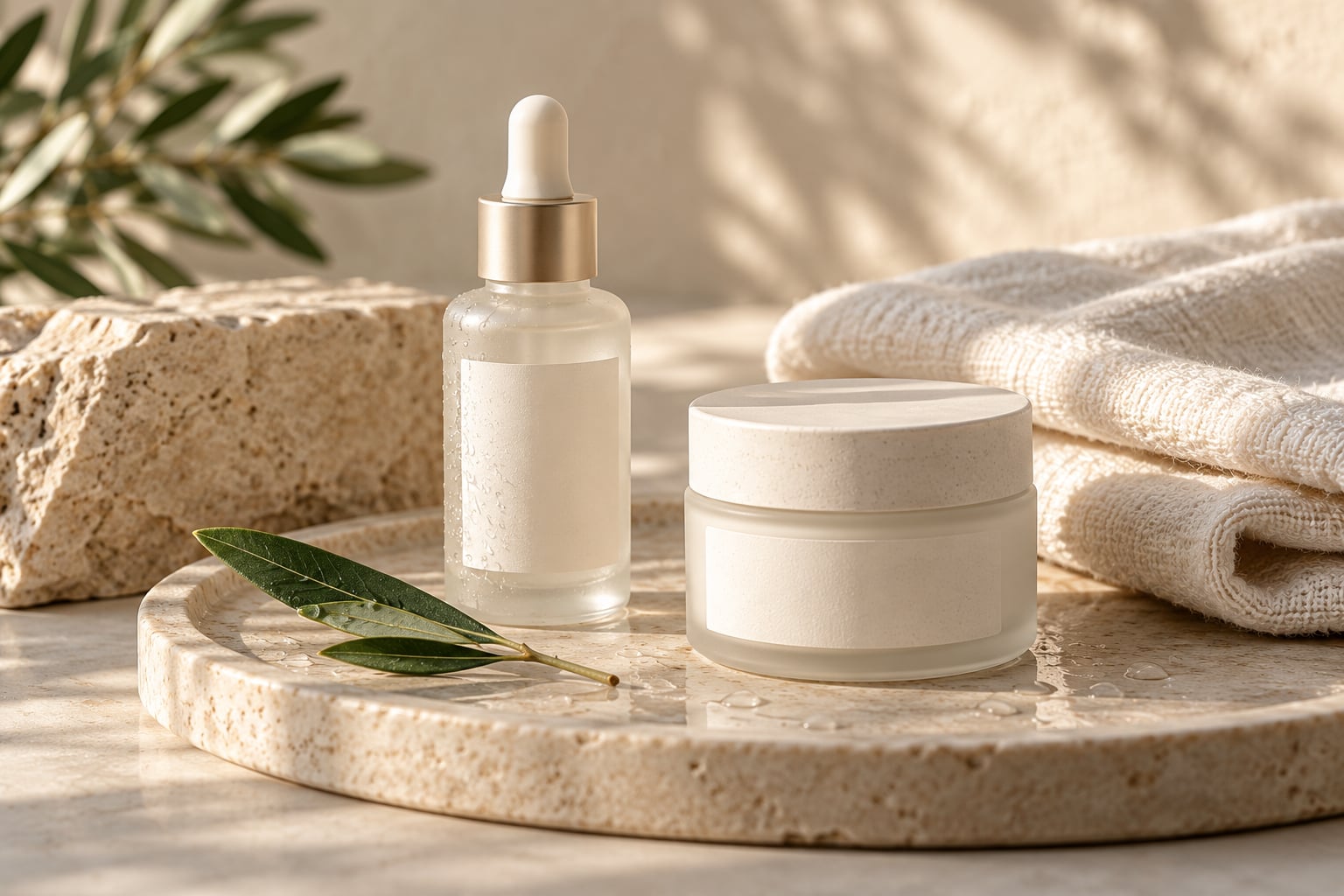
Skin care can become confusing when every bottle promises something different. Begin by identifying what you are looking at: a cleanser, a moisturiser, a sunscreen or a treatment prescribed by a healthcare professional. These categories do different jobs. A product presented for cosmetic care should not be interpreted as a treatment for a diagnosed skin condition.
Instead of starting with a long shopping list, write down your questions. Are you unsure how a product is used, whether it is intended to be rinsed off, or how it fits with a prescribed topical medicine? Clear questions make it easier for a pharmacist or clinician to explain what is appropriate for your circumstances.
Moisturising is one part of care
The NHS describes emollients as moisturising treatments applied directly to the skin to soothe and hydrate it. That description does not mean that every cosmetic cream is an emollient treatment or that every moisturiser suits every person. Read the product’s own instructions, and seek professional advice if you have a skin condition or use prescribed skin medicines.
Record the exact name of a product you are considering rather than asking about a whole brand. Keep its ingredient list and instructions available. If a product causes irritation or other concerns, stop using it and ask a healthcare professional for advice. Do not keep applying it simply because someone described discomfort as a necessary stage of a routine.
Treat sun protection as a separate question
The NHS recommends sunscreen with at least SPF 30 and suitable UVA protection, alongside shade and protective clothing. It advises reapplication according to instructions and after swimming, sweating or towel drying. Sunscreen does not make unlimited time in the sun safe. Labels and rating systems can differ across countries, so ask if a symbol or protection statement is unclear.
SingHealth notes that moisturisers and concealers containing SPF may not be applied in amounts sufficient to provide their stated sun protection. Do not assume that a small amount of a cosmetic product replaces a dedicated sun-protection routine. Ask a pharmacist about a sunscreen you can use as directed and comfortably include in your day.
- Identify whether the product is rinse-off or leave-on.
- Read application instructions and warnings.
- Check expiry and any stated period after opening.
- Ask how to coordinate products with prescribed treatment.
Know when a shopping question becomes a medical question
Persistent, worsening or unexplained skin changes deserve professional assessment. A photograph, product quiz or sales conversation cannot establish a diagnosis. Avoid substituting a cosmetic product for care recommended by a clinician, and do not use an educational article to decide how to treat a rash or other skin problem.
Keep expectations specific and modest. A product description should explain its intended role without promising a cure or a guaranteed transformation. This article provides general information about product categories and sun-safety guidance. It does not assess your skin, recommend treatment or confirm that a particular product is safe or effective for you.
“Understanding a product’s purpose matters more than collecting more steps.”
Original journal reflection · Wellness with Dave
Sources & further reading
These references support the educational content. Their inclusion does not imply endorsement of this website or its products.